Is Manuel Antonio National Park Worth Visiting? (2025 Costa Rica Guide)

Manuel Antonio National Park is one of Costa Rica’s most famous attractions, known for its beaches, wildlife, and lush rainforest. But with fame comes crowds—and some travelers leave wondering if the park lives up to the hype.
I recently visited, and I’ll share my honest experience, including what I liked, what I didn’t, and tips to help you decide if Manuel Antonio is worth visiting for you.
Why Manuel Antonio National Park Is So Popular
- Wildlife spotting: Sloths, monkeys, iguanas, and toucans are common.
- Beautiful beaches: Playa Manuel Antonio inside the park is one of the most photographed beaches in the country.
- Easy access: It’s only about 3–4 hours from San José, making it one of the most convenient parks for visitors with limited time. It’s also relatively accessible from the Liberia airport. You can read my post about how to get there.

My Experience: The Pros and Cons
The Downsides
- Crowds: I visited on a Sunday during a holiday weekend, and it was packed. At times, it felt more like a zoo than a national park. If you’re looking for peace and solitude, this might be a challenge.
- No outside food allowed: Although I knew about this ahead of time, this was a disappointment. The rule likely exists because too many visitors were feeding monkeys, which creates unsafe situations. There is a small café, but prices are high and seating is inside caged areas (to keep animals away).
The Positives
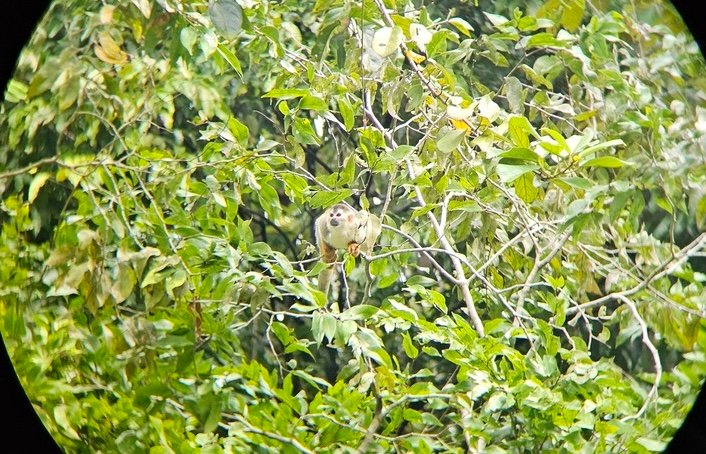
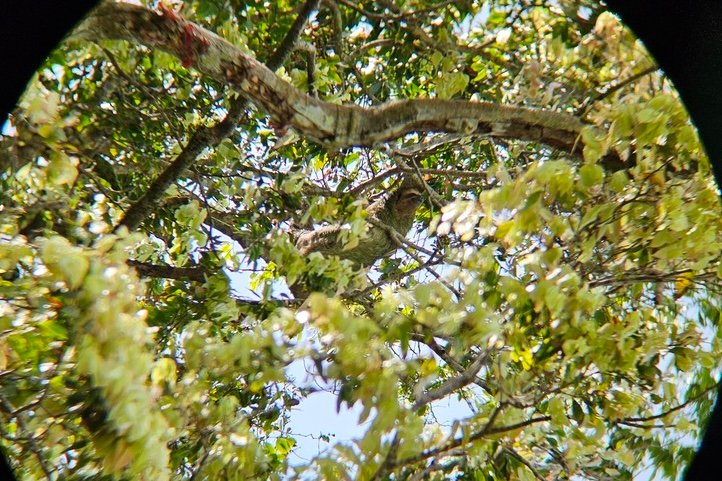
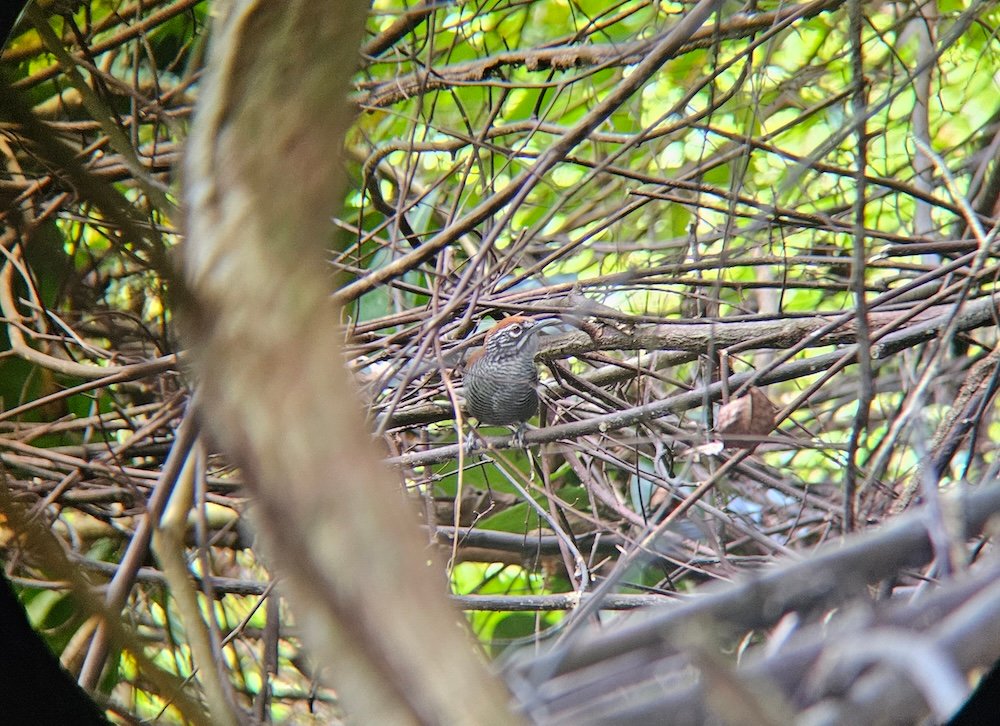
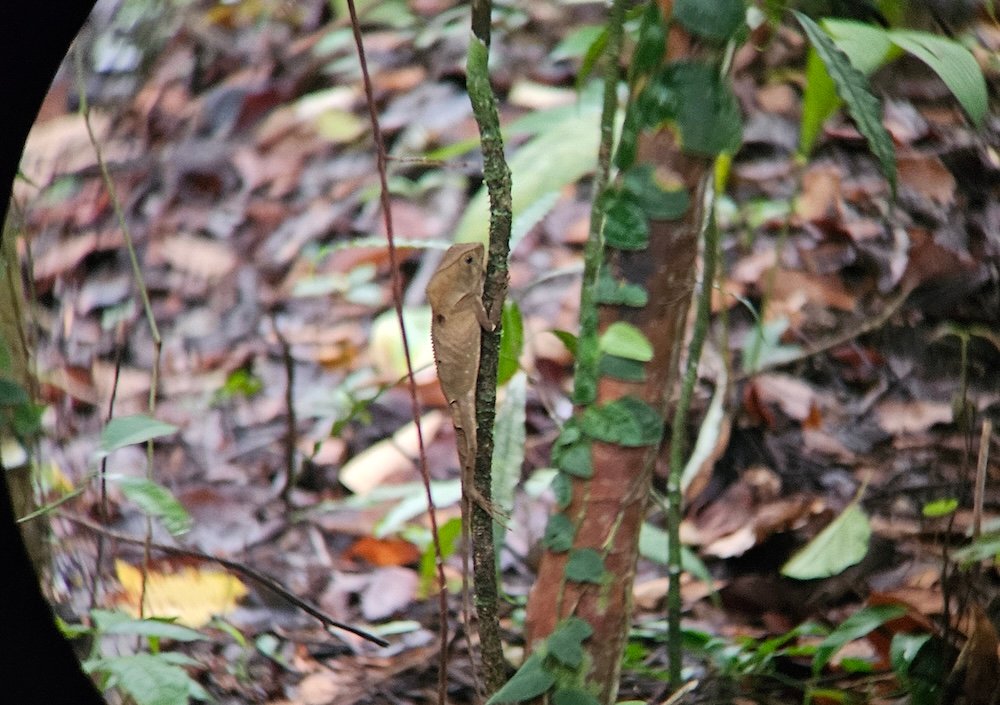
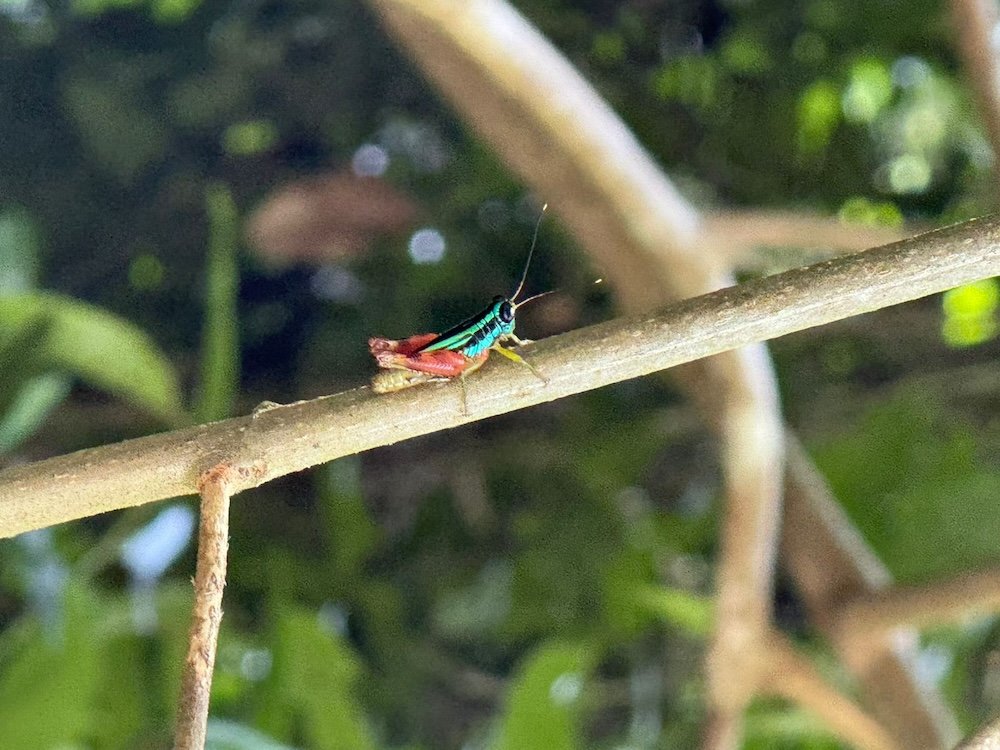
- Wildlife inside the park: After spending 9 days in Costa Rica, I do think I saw the most wildlife here in the park. I saw 3 kinds of monkeys (white-faced capuchin, howler and squirrel), agouti, motmots and other birds, many cool insects, a bat, a fer-de-lance viper, many types of lizards and iguanas, and a sloth!
- Wildlife outside the park: Surprisingly, I saw some of my best wildlife on a walk outside the park. I took a stroll down Espadilla beach and then followed a road to hike up the hillside toward several restaurant. Along the way, I spotted a toucan (and over a dozen other birds), a sloth up close, and playful squirrel monkeys—all without the entry fee.
Weather
The high season in late Dec – Mar which coincides with the dry season. However, I visited in late July and had great conditions. One day was full sun, the other had only an hour of afternoon rain. I can’t imagine going when it is busier than when I visited. One more reason to brave a bit of rain because it’s really not bad!

Tips for Visiting Manuel Antonio
- Avoid weekends and holidays if possible. Weekdays are less crowded.
- Go early in the morning to beat the heat and see more wildlife.
- Bring cash for the entrance fee and café (since outside food isn’t allowed).
- Consider nearby walks: You don’t have to be inside the park to see animals. The town itself is full of wildlife sightings.
- Plan a meal outside the park—the hillside restaurants have great views, and I’d highly recommend the walk up from the beach (this will take at least an hour depending on your speed. I recommend at least 2 to go at a leisurely pace to enjoy and find wildlife).
So… Is Manuel Antonio National Park Worth It?
It depends on what you’re looking for.
- Yes, it’s worth it if you want a quick, easy way to see wildlife and visit one of Costa Rica’s most famous beaches.
- Maybe not if you dislike crowds or prefer a more remote, natural experience. In that case, you might enjoy less-visited national parks like Cahuita or Corcovado.
For me, I’m glad I went—but the highlights of my trip were actually the wildlife encounters I had outside the park. If you manage your expectations, visit on a quieter day, and plan your meals ahead, Manuel Antonio can still be a memorable stop on your Costa Rica itinerary.
Practical Information (2025)
- Entrance fee: ~$18 USD for adults
- Hours: 7:00 am – 4:00 pm, closed Tuesdays
- Best time to visit: Early mornings, weekdays, and dry season (Dec–April)*. Rainy season (May–Nov) can still be good if you don’t mind short showers. I visited in July and had no rain on the day I visited and only a short shower in the afternoon the following day!
- No food is allowed in the park and they really search your bag.
Group Tour or not?
I agonized over choosing a tour. There are a lot around $30 and there all pretty much the same. None at this price will include the entry fee, snacks, nor pick-up. I stayed walking distance to the park and ate before and after.
As I approached the park, several guides offered a tour on the spot. I had already reserved one, but then mine ended up being delayed an hour and then even more delayed because one couple couldn’t pay their entrance fee. I probably just got unlucky, but I think if I were to do it over I’d just go with a guide outside the park!
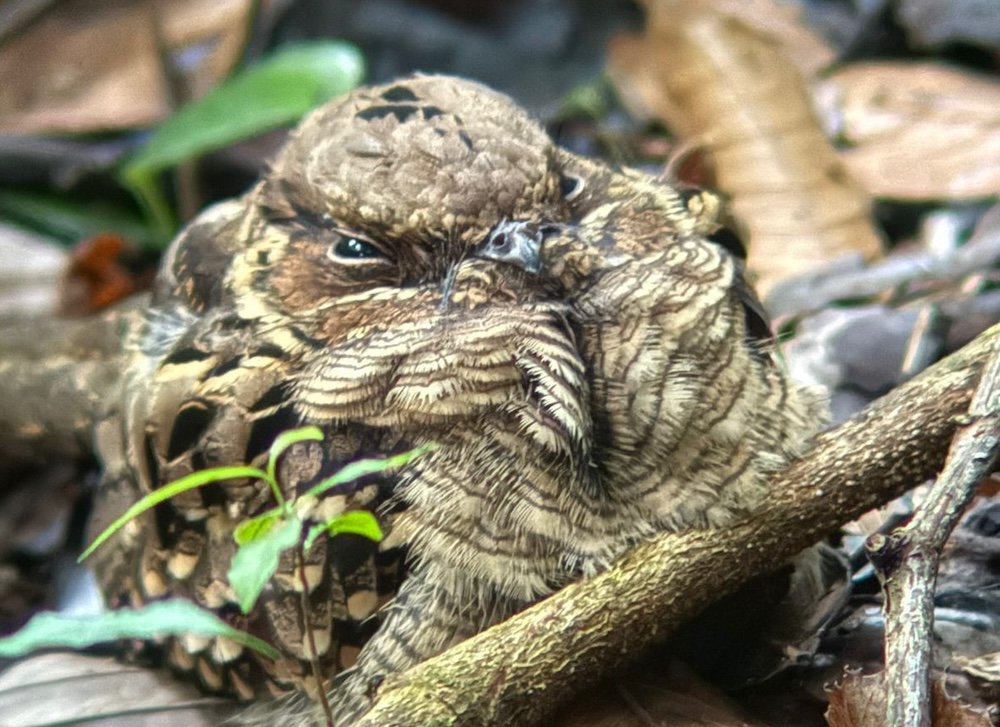
It was worth it to have a guide. I saw several lizards, spiders, a bat and even a nightjar that I wouldn’t have seen on my own.
The Birds!
The birding in the park was only okay for me, but I didn’t have a birding guide. Here’s a full list of the birds in the park:
- Blue Ground Dove
- Crowned Woodnymph
- Gray-cowled Wood-Rail
- Magnificent Frigatebird
- White Ibis
- Black Vulture
- Lesson’s Motmot
- Black-hooded Antshrike
- Chestnut-backed Antbird
- Boat-billed Flycatcher
- Riverside Wren
- Scarlet-rumped Tanager
- Common Pauraque
Here’s a list of birds I saw on my own outside the park:
- Yellow-crowned Night Heron
- Yellow-throated Toucan
- Orange-chinned Parakeet
- Black-crowned Tityra
- Great Kiskadee
- Tropical Kingbird
- Melodious Blackbird
- Great-tailed Grackle
- Scarlet-rumped Tanager
- Blue-gray Tanager
- Palm Tanager
- Blue-black Grassquit
- Turkey Vulture
- Fiery-billed Aracari
- Orange-chinned Parakeet
- Scarlet Macaw
I wasn’t the most successful birding in this area. However I went on a tour with Johan Chaves to Curi Cancha which was absolutely excellent! Full post coming soon!