Cerro Castillo Multi-day Trek
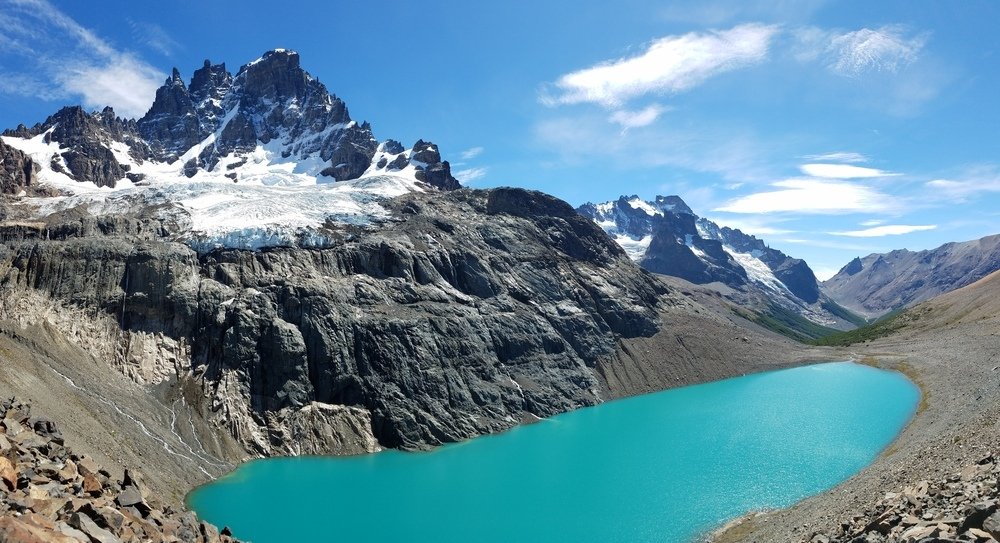
The Cerro Castillo trek is a demanding yet rewarding multi-day hike through Patagonia’s rugged landscapes. The hike can typically be completed in 3-4 days. I was planning on 4 days, but ended up loosely hiking with a group who decided to press on after reaching Rio Turbio campsite on the first afternoon so I completed it in 3. Alternatively, you can reach the lagoon in a day by accessing a trail head near the town of Villa Cerro Castillo.
The route is usually open from Dec-Feb, but can vary based on weather. I met hikers trying to go there at the end of November one year–I had just taken a bus through the pass which was covered in feet of snow, and that’s the road not the mountain. So definitely time your trip accordingly.
I first went to Patagonia a week after my 20th birthday. Only having backpacked once before, I had very limited experience. I definitely overpacked (I brought two weeks worth of food for the entire length of my trip!). Fortunately I had youth on my side and still had a great time despite my lack of experience.
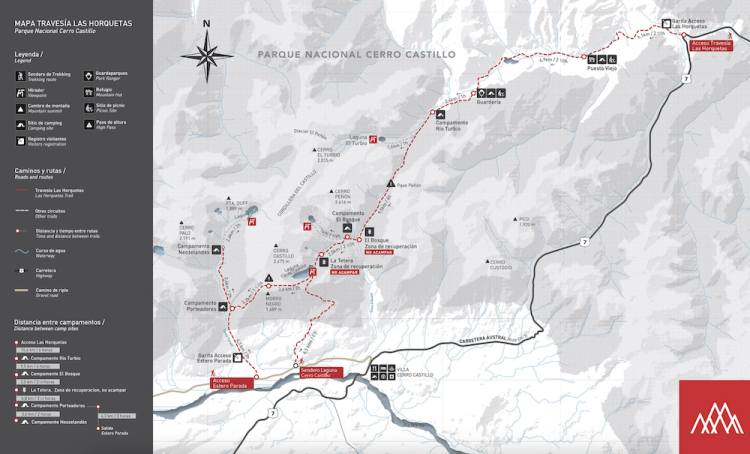
This site has a good map and detailed description of the terrain. Below I go into the details of how to get there and what the Cerro Castillo Trek is like.
Cerro Castillo Trek: TLDR
- Take a bus south from Coyhaique and get off at Las Horquetas
- You’ll pay a $30k COP entrance fee and must enter before 1pm
- You need at least 3-4 days to backpack the route from Las Horquetas to Estero Parada, covering about 50 km
- After descending on the last day, you will then have to hike (or hitchhike) an additional 6km to get to the town of Cerro Castillo
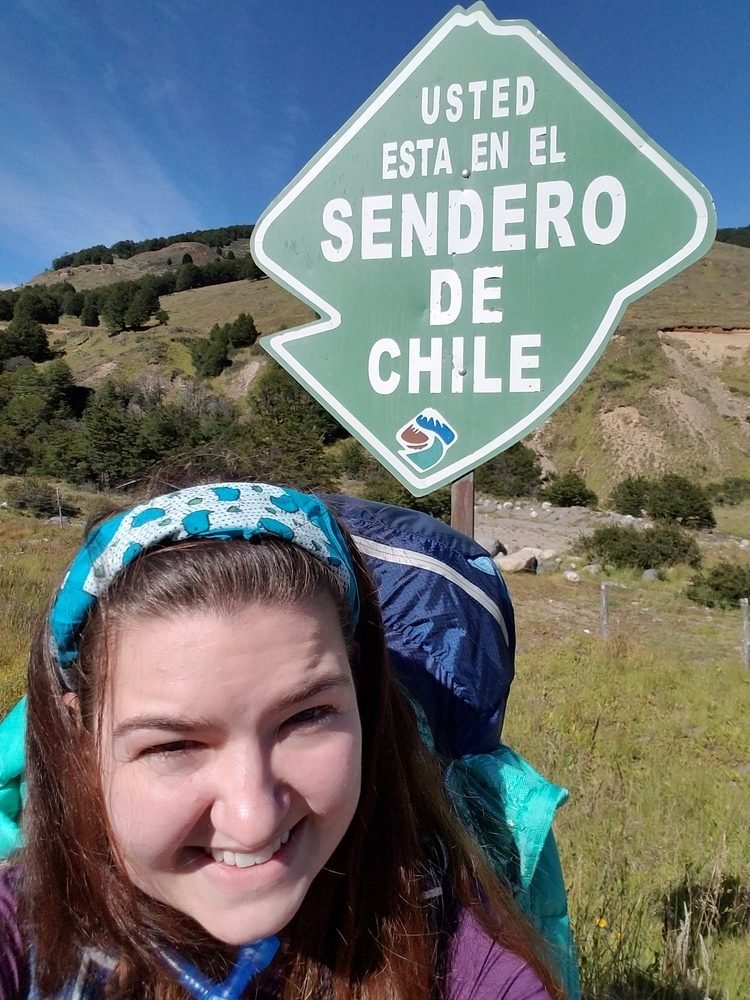
How to get to the Starting Point
The journey begins along the Carretera Austral, where hikers are dropped off before making their way through private farm roads that lead into the forest. You can catch a bus heading south from Coyhaique. Tell the driver you want to go to Las Horquetas.
The official Park’s website has details and contact info for buses leaving Coyhaique. Most leave around 9am, but there are some mini buses leaving at 7:30am.
Day 1
I did this hike back in 2017 when there weren’t really any regulations/control points. By 2019, there was a guard station to collect fees. On their official website, it says you must enter by 12pm and only pay a fee upon departure. Other people’s blogs say you pay $30k COP when you enter. Be prepared to pay a fee in cash either way.
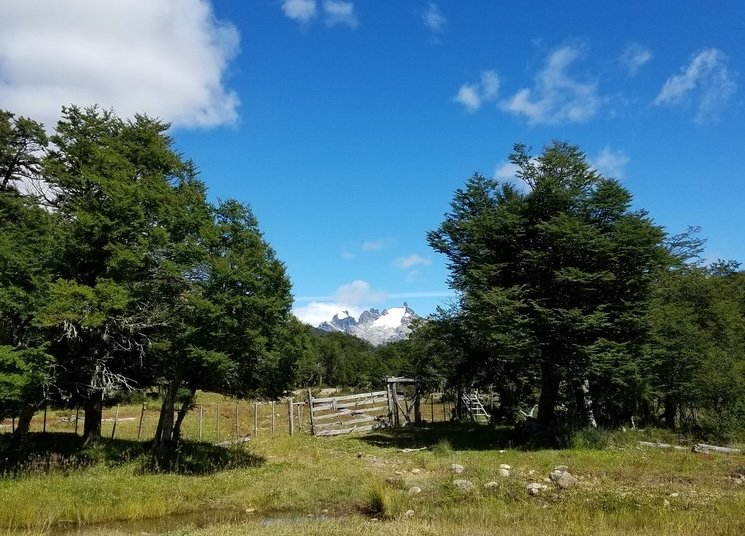
The first day involves a steady ascent through wooded terrain before reaching the Río Turbio campsite after approximately four hours. You can either camp here or press on. I had started loosely hiking with a group who all decided to keep going, so I went too.
***This is where you’d stop to camp your first day if you decided to do the hike in 4 days***
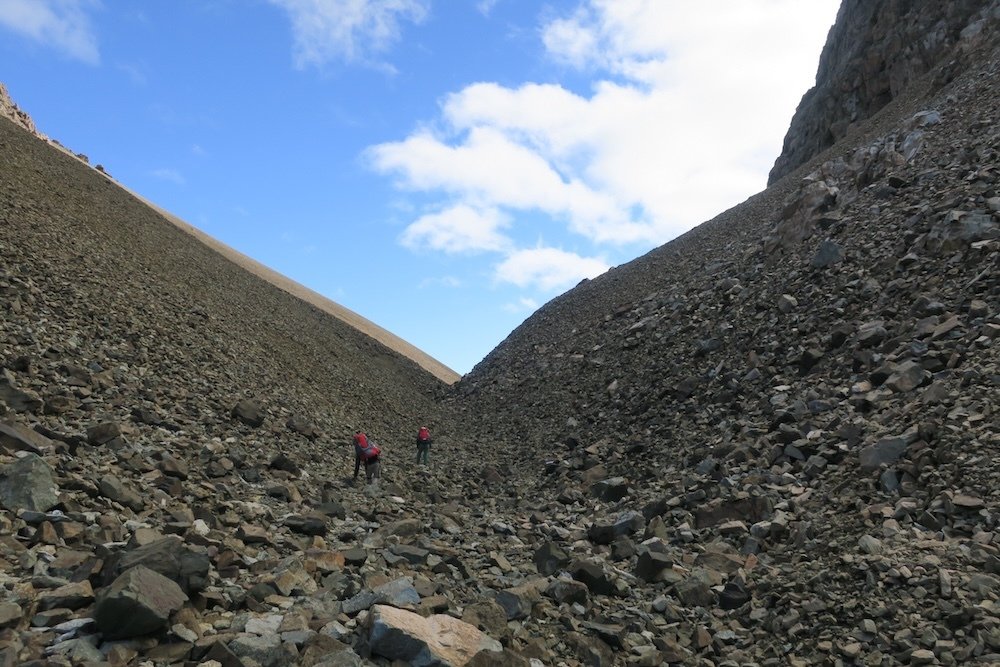
The next section includes a strenuous climb up a rocky mountain pass, where the forest gives way to an exposed scree field. The ascent is tough, but the descent proves even more challenging, requiring careful footing on loose rock. After descending, the trail follows a rocky riverbed before re-entering the forest.
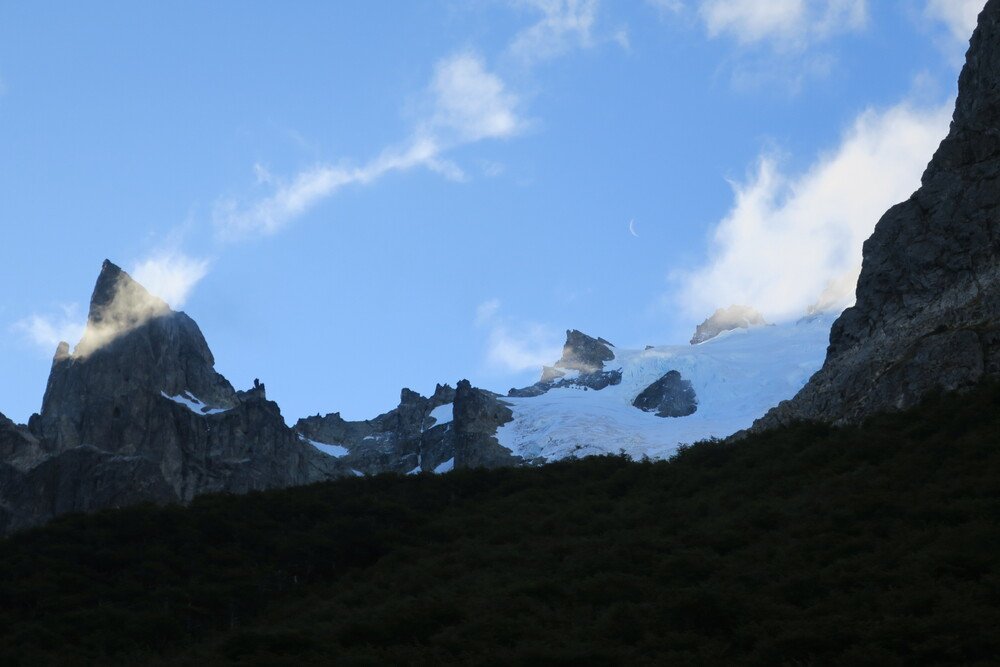
It took me about 6 hours to reach camp around 9pm. Since I was one of the last arrivals, it was a bit difficult to find a good/flat campsite.
Day 2
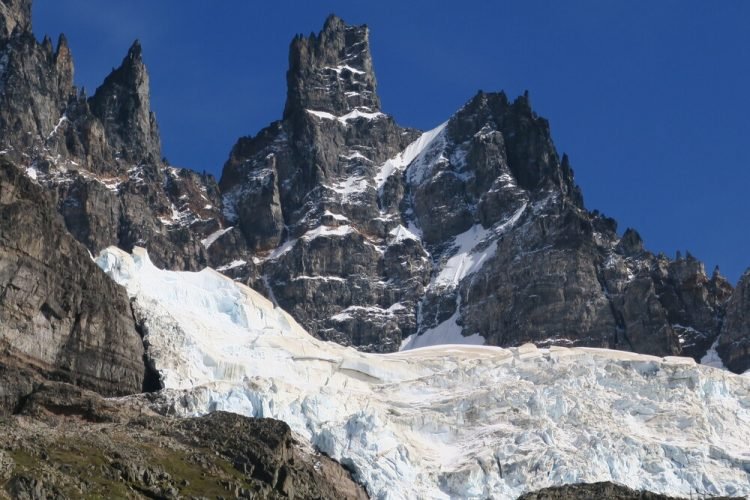
During the second day is when you’ll be rewarded with views of the stunning glacial lake and over the valley below. As for the hike, it is still difficult but the terrain feels more forgiving, with (slightly) fewer scree sections.
The trail winds through dense vegetation before opening up to reveal sweeping views of the laguna and its surrounding glaciers. Occasional thunder-like sounds echo through the valley as chunks of ice break off from the glacier. The path around the lake becomes technical, requiring rock scrambling, which makes for slow progress.
Day 3
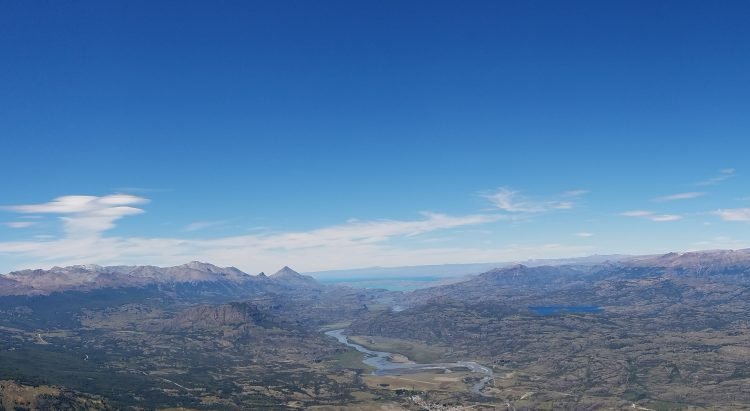
The final day of the trek consists of a long descent through the forest, offering a welcome reprieve from the steep, rocky sections of the previous days. The trail gradually levels out before exiting on to a gravel road. You can hitchhike or walk the remaining 6km to town.
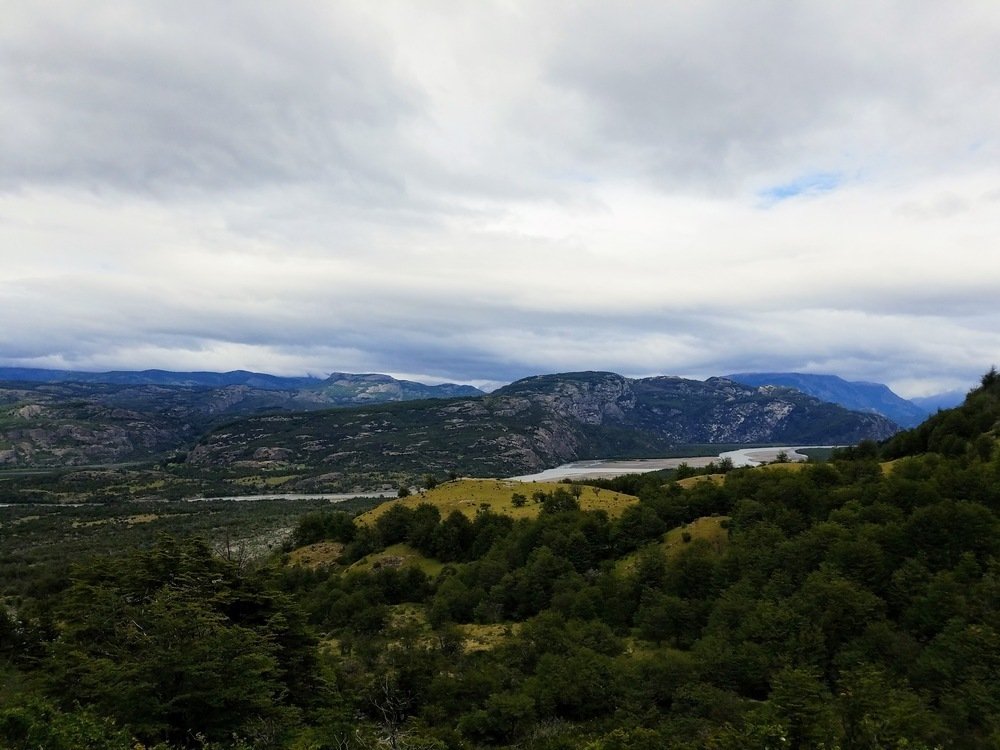
In town, hikers can find campsites, hostels, and small restaurants. The group I was with devoured a pichanga, a Chilean dish of fries piled with steak, hot dog, sausage, tomato, and avocado. Groceries and other supplies are available in town to resupply.
I camped at a place called Mary’s which looks like it was acquired by or grew into Senderos Patagonia. They have a contact form for reservations, but it seems like they may no longer offer camping.
Where to Next?
When I bought my ticket to get to Las Horquetas, I also bought the next leg of my trip to get to Cochrane. I was told to wave my ticket on the side of the road when the bus comes by. It worked and I do recommend buying a ticket ahead of time if you feel confident in your schedule. It can be difficult to get a seat during peak season.
More Patagonia posts coming soon!